

Living like a Spanish local can start with small habits: food, music, conversation, family time and curiosity about everyday culture. Here are ten playful ideas to try.
Use it as a light cultural vocabulary guide: desayuno, bocadillo, siesta, churros and fiestas are all words learners will remember faster when they are attached to a picture and a real habit.
1. Start the day with a Spanish desayuno

The original WP post opened with a classic Spanish breakfast: cafe con leche, magdalenas and toasted bread with jam. It is a small, cheerful way to bring Spanish vocabulary into daily life before the day really begins.
2. Dance flamenco or salsa

Spanish culture is strongly connected with music and movement. Flamenco and salsa are not only performances to watch; they are social activities, a form of exercise and a lively reason to practise words for rhythm, music and emotion.
3. Eat bocadillos without counting

The WP article joked about eating a shameful number of bocadillos. A bocadillo is one of the easiest Spanish food words to remember because it belongs to real life: bread, fillings, lunch breaks and quick meals with friends.
4. Watch a favourite telenovela

Watching a telenovela before bed is playful advice, but it is also a good learning habit. Short scenes, repeated emotions and clear storylines help learners notice common phrases without studying a textbook.
5. Shop like you are in Spain

Brands like Bershka and Zara can become vocabulary practice: sizes, colours, prices, fabrics and polite questions all become easier when they are attached to something practical.
6. Understand the siesta

The post explains that a siesta after lunch is normal in Spain and traditionally helped people avoid the hottest part of the day. Today, it is also a useful cultural word because it reminds learners that language is tied to climate, rhythm and lifestyle.
7. Say salud with tequila

The WP post says you cannot party without tequila. More importantly for learners, it gives you a word you will really hear: salud, the Spanish toast used when raising a glass with friends.
8. Enjoy churros whenever you can

Churros are one of the most recognisable Spanish treats. For learners, they are perfect for practising food vocabulary, ordering politely and talking about sweet things you like.
9. Enjoy the sun

The WP text celebrates Spain's weather and jokes that you are always tanned: que suerte. It is a simple phrase learners can remember because it expresses admiration, luck and a little envy.
10. Experience Spanish fiestas

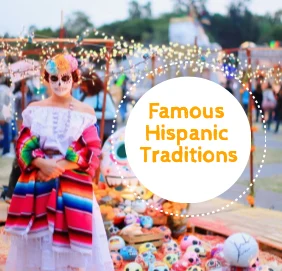
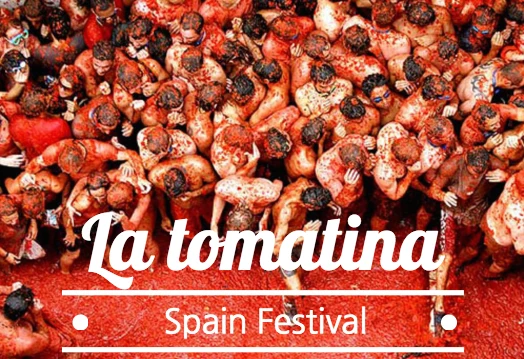
The final reason is the biggest one: Spain is famous for parties, and even many villages have their own summer fiestas. These celebrations are a joyful way to understand Spanish love of life, community and shared traditions.
Everybody wants to live in Spain to share that love of life and daily rhythm. If you want to discover more Spanish culture while learning the language, Spanish Studio's classes in Singapore are a friendly place to start.
Can I learn Spanish in Singapore without immersion?
Yes. Structured classes, short home practice, listening habits and speaking feedback can build steady progress.
What is the best way to improve Spanish between classes?
Use short, active routines: review vocabulary, listen to Spanish, speak aloud and bring questions back to class.