
Hispanic cultures are rich in celebrations, music and family rituals. Here are several traditions Spanish learners can explore to understand the language in context.
Fiesta Quinceanera

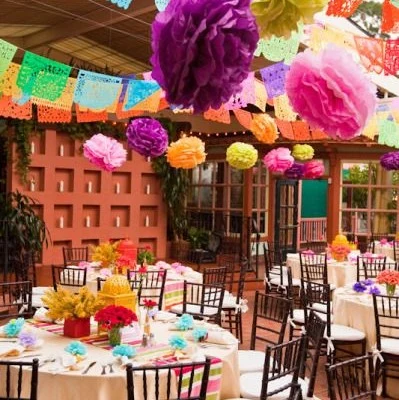
A Quinceanera celebrates a girl's 15th birthday in many Latin American communities, often with a thanksgiving mass, family celebration, formal dress and father-daughter dance.
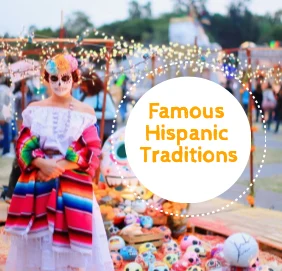
Dia de Muertos
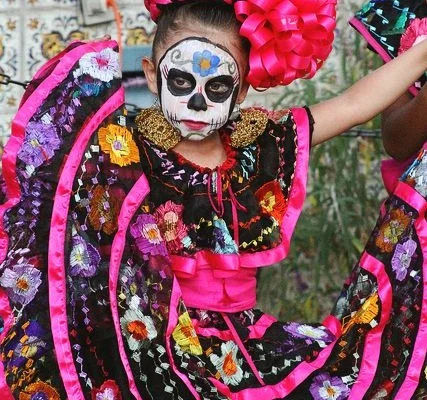
Dia de Muertos is a Mexican tradition on 1 and 2 November. Families create altars with flowers, photos and food to honour the lives of people they love.
Las pinatas
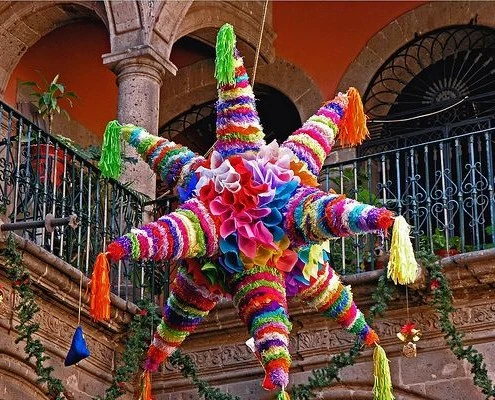
Pinatas are now associated with birthday parties and sweets, though the article notes their older religious symbolism. The aim is simple and joyful: break the pinata and share the candy.
Las Mananitas
Las Mananitas is a traditional birthday song in Mexico and parts of Latin America, often sung early in the morning or before cutting the cake.
Los mariachis
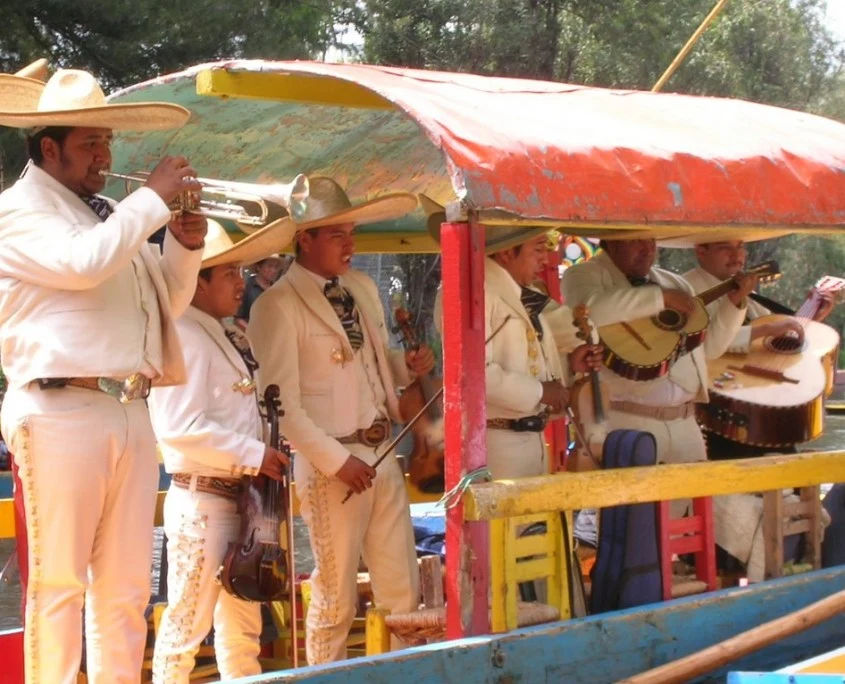
Mariachis are Mexican musicians who perform with string instruments and are often part of birthdays, serenades and declarations of love.
Can I learn Spanish in Singapore without immersion?
Yes. Structured classes, short home practice, listening habits and speaking feedback can build steady progress.
What is the best way to improve Spanish between classes?
Use short, active routines: review vocabulary, listen to Spanish, speak aloud and bring questions back to class.