
Children learn Spanish better when the language appears in small, friendly routines between classes. Home practice does not need to look like homework.
Easy activities parents can try
Use Spanish greetings at the same time every day.
Label five familiar objects at home and rotate them weekly.
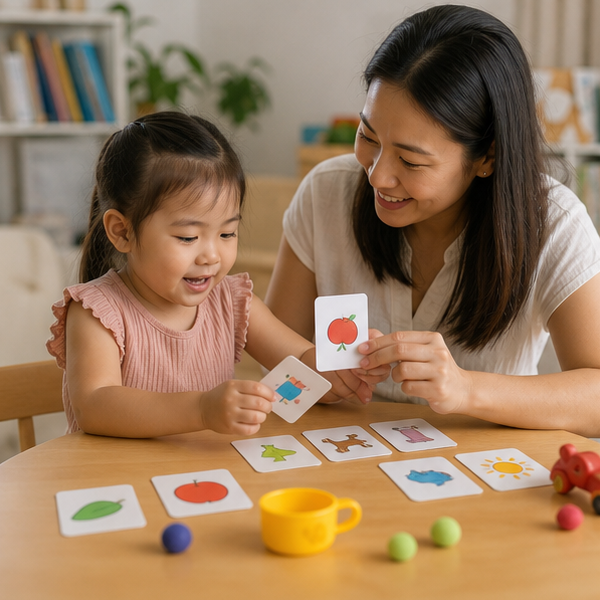
Read one short picture book or page together.
Play colour, number or food games during daily routines.
Ask the child to teach one Spanish word to a parent or sibling.
Keep practice short and positive
Five minutes done often is better than a long session that feels forced. Children need confidence, repetition and a reason to use words, not pressure to perform perfectly.
Should parents correct every mistake?
No. Correct gently and selectively. Too much correction can make children avoid speaking.
Can home activities replace a class?
They help, but a class gives teacher input, structure and social interaction.
Adjust activities by age
Preschool children need movement, songs, pictures and repetition. Primary-age children can handle simple reading, labels, games and short written tasks. Teens usually need more purposeful practice linked to school topics or personal interests.
The activity should feel easy enough to repeat. If every home activity feels like homework, children quickly associate Spanish with pressure rather than confidence.
What parents can do even if they do not speak Spanish
Parents do not need strong Spanish to help. They can create a routine, praise effort, ask the child to teach one word, play audio, display labels or help the child remember class materials.
For children and teens, compare Spanish classes for children in Singapore, use the Spanish placement test when previous exposure is unclear, or contact Spanish Studio for school-support advice.