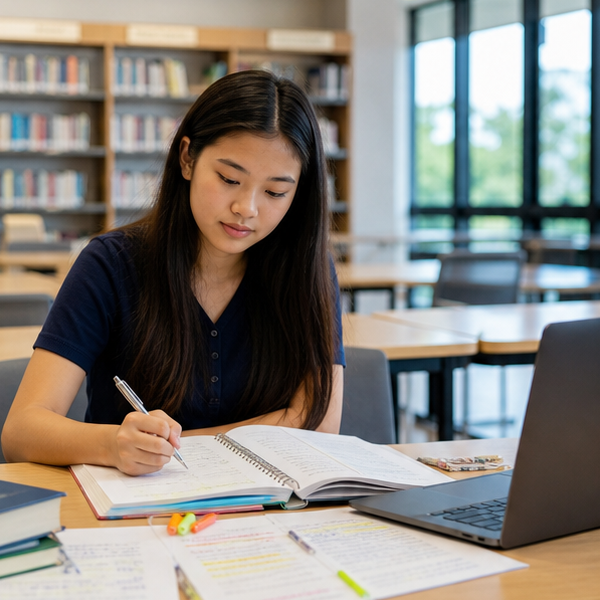

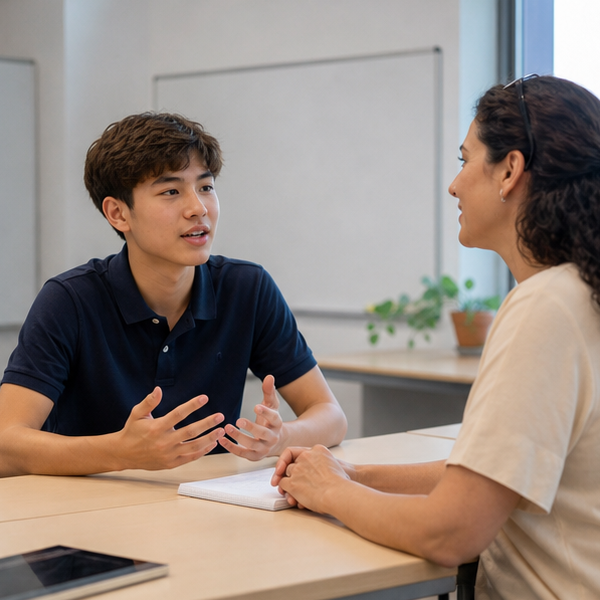
IGCSE Spanish preparation should not wait until the final weeks if the student has grammar gaps, weak speaking confidence or uneven listening and reading results.
A practical preparation timeline
6-9 months: best for repairing foundations and building vocabulary.
10-12 weeks: useful before mocks or final assessment blocks.
3-6 weeks: focused help for oral practice, writing correction or one weak paper.
What to prioritise first
Start with the weakest paper and the most repeated mistakes. For many students, that means speaking fluency, tense accuracy, paragraph structure or listening strategies.
Can last-minute IGCSE tuition help?
Yes, but it should focus on exam technique and repeated errors. Full language development needs more time.
Should preparation be private or group?
Private tuition is usually more effective because students have different exam boards, school topics and weak skills.
Why earlier preparation is usually calmer
IGCSE Spanish preparation becomes stressful when students only start after weak mock results. At that point, the learner may be trying to repair grammar, learn topic vocabulary, practise speaking and improve timing all at once.
Starting earlier lets the teacher separate the problems. One month can focus on tense control, another on oral answers, another on writing structure, and another on listening and reading technique.
Preparation by skill
Speaking: practise role plays, picture descriptions and conversation answers until responses become longer and more natural.
Writing: build reusable sentence patterns, improve tense range and learn how to justify opinions.
Listening: practise listening for meaning even when the student does not know every word.
Reading: train scanning, inference and awareness of distractors.
Grammar: repair repeated errors that cost marks across several papers.
What to do after mock exams
Mock results are useful when they lead to a clear plan. Instead of simply doing more papers, look at where marks were lost: short answers, weak tense control, misunderstanding questions, poor timing or lack of detail.
A focused tuition block after mocks should target two or three recurring issues first. Trying to fix everything equally often produces shallow revision and more anxiety.
Year 10 versus Year 11 preparation
In Year 10, the best preparation is foundation-building. Students have time to improve tense control, expand topic vocabulary, practise speaking regularly and learn how writing answers are built. This stage should not be only past papers; it should repair the language that papers will test later.
In Year 11, preparation usually becomes more exam-focused. The student should know which papers are weakest, what the target grade requires and how much time remains before mocks or final exams. Lessons can then rotate between timed practice, correction and targeted revision.
If a student starts late, the plan must be realistic. A teacher can still improve exam technique, oral confidence and repeated errors, but a full vocabulary and grammar rebuild takes longer than a few weeks.
How parents can review progress
Parents do not need to speak Spanish to monitor preparation. They can ask whether the student knows their weakest paper, whether writing corrections are being reused, whether oral practice is happening aloud and whether there is a plan before the next assessment.
Can the student explain the next exam task they are preparing?
Are corrected mistakes appearing less often?
Is oral practice regular, or only happening right before an assessment?
Does the student have a short revision list rather than a vague pile of notes?
Speaking preparation should not wait until the oral exam
Speaking is hard to cram because confidence grows through repeated aloud practice. Students who only revise silently may know vocabulary but freeze when they need to respond quickly.
A steady preparation plan should include short oral practice from the beginning: describing photos, answering personal questions, justifying opinions, using past and future tenses, and repairing pronunciation habits before they become fixed.
For shy students, private tuition can make oral practice less intimidating because the teacher can build fluency step by step before introducing more exam-like pressure.
Writing marks often improve through correction cycles
Many IGCSE students need more than model answers. They need to write, receive detailed correction, rewrite, and then use the corrected structures in a new task. That correction cycle is where repeated errors start to reduce.
The most useful corrections show the student why an answer lost marks: tense accuracy, missing detail, weak opinion, short sentences, limited vocabulary or misunderstanding the task. Once the pattern is clear, revision becomes more focused.
For exam-focused learners, the natural path is to view our Spanish exam preparation in Singapore, then choose the specific IB, IGCSE or DELE support page and request private Spanish tuition with the exam route, deadline and current level.