
Animal idioms are a fun way to sound more natural in Spanish. These ten expressions pair each illustration with the idiom it explains.
Cuando el gato no esta, los ratones bailan
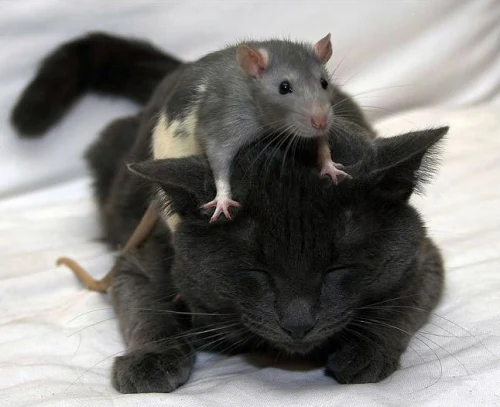
When the cat is away, the mice dance. It is similar to the English idea that people relax when authority is absent.
Estar como una cabra
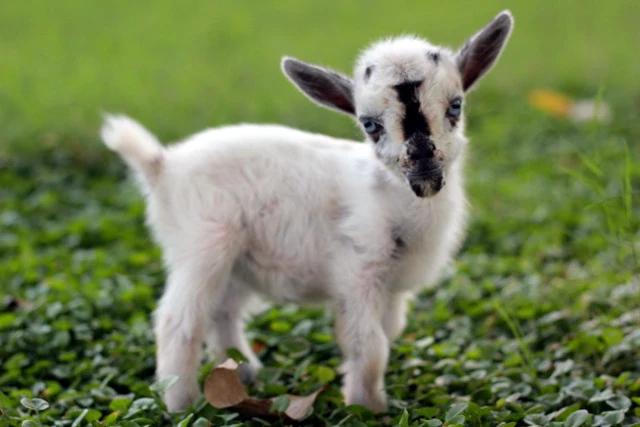
Literally, to be like a goat. It means someone is acting a little crazy or strange.
Tener un humor de perros
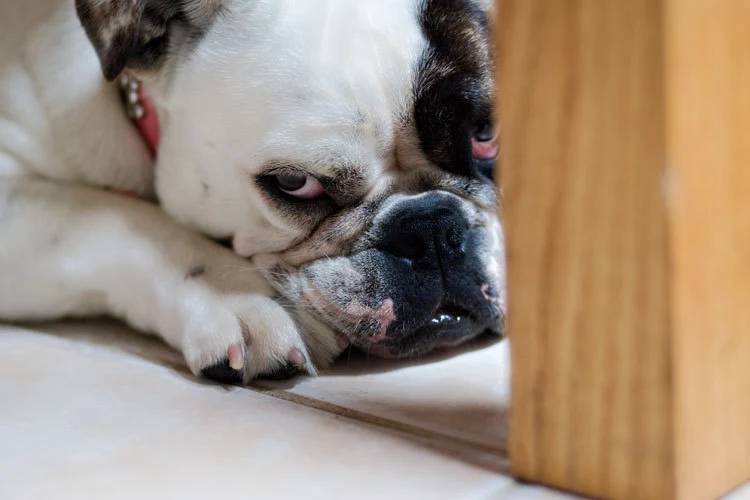
Literally, to have a mood of dogs. It means to be in a bad mood.
Dormir como una marmota
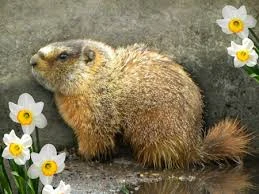
Literally, to sleep like a marmot. In English, you might say to sleep like a log.
No hay perro ni gato que no lo sepa
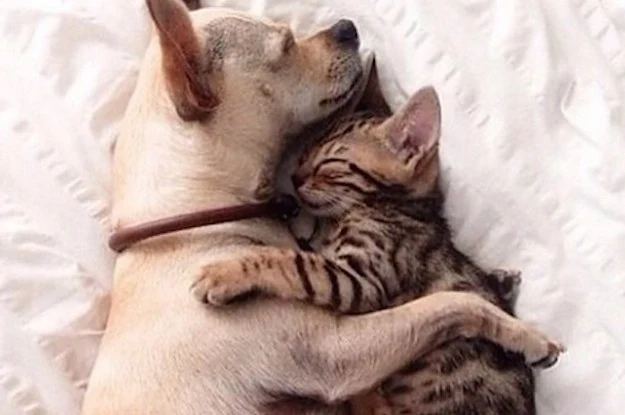
There is no dog or cat that does not know it. It describes something everybody knows.
Camaron que se duerme, se lo lleva la corriente
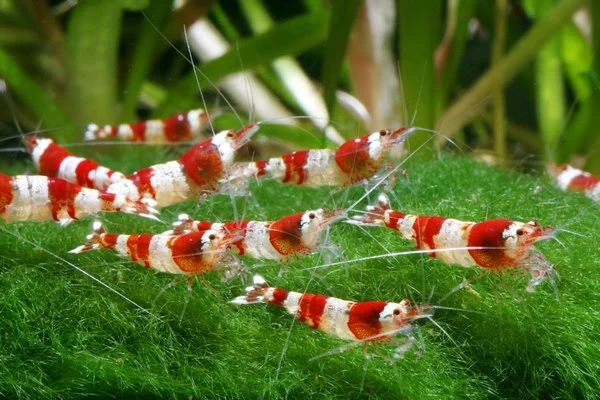
The shrimp that sleeps is carried away by the current. The closest English idea is you snooze, you lose.
Armar mas ruido que un buey por un tejado
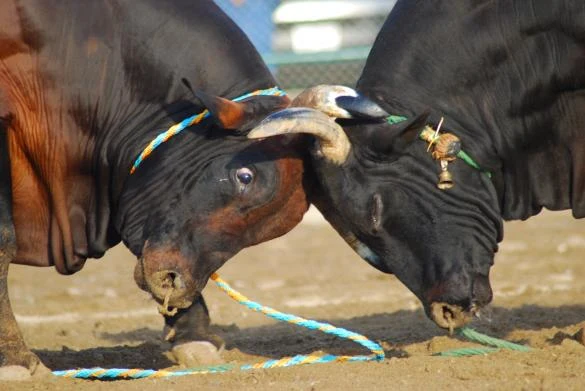
To make more noise than an ox on a roof. It describes a very noisy or clumsy situation.
Ser mas pobre que una rata
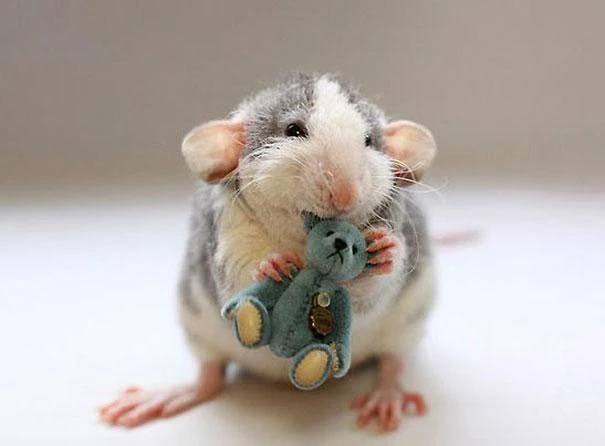
To be poorer than a rat. In English, you might say as poor as a church mouse.
Ir a paso de tortuga
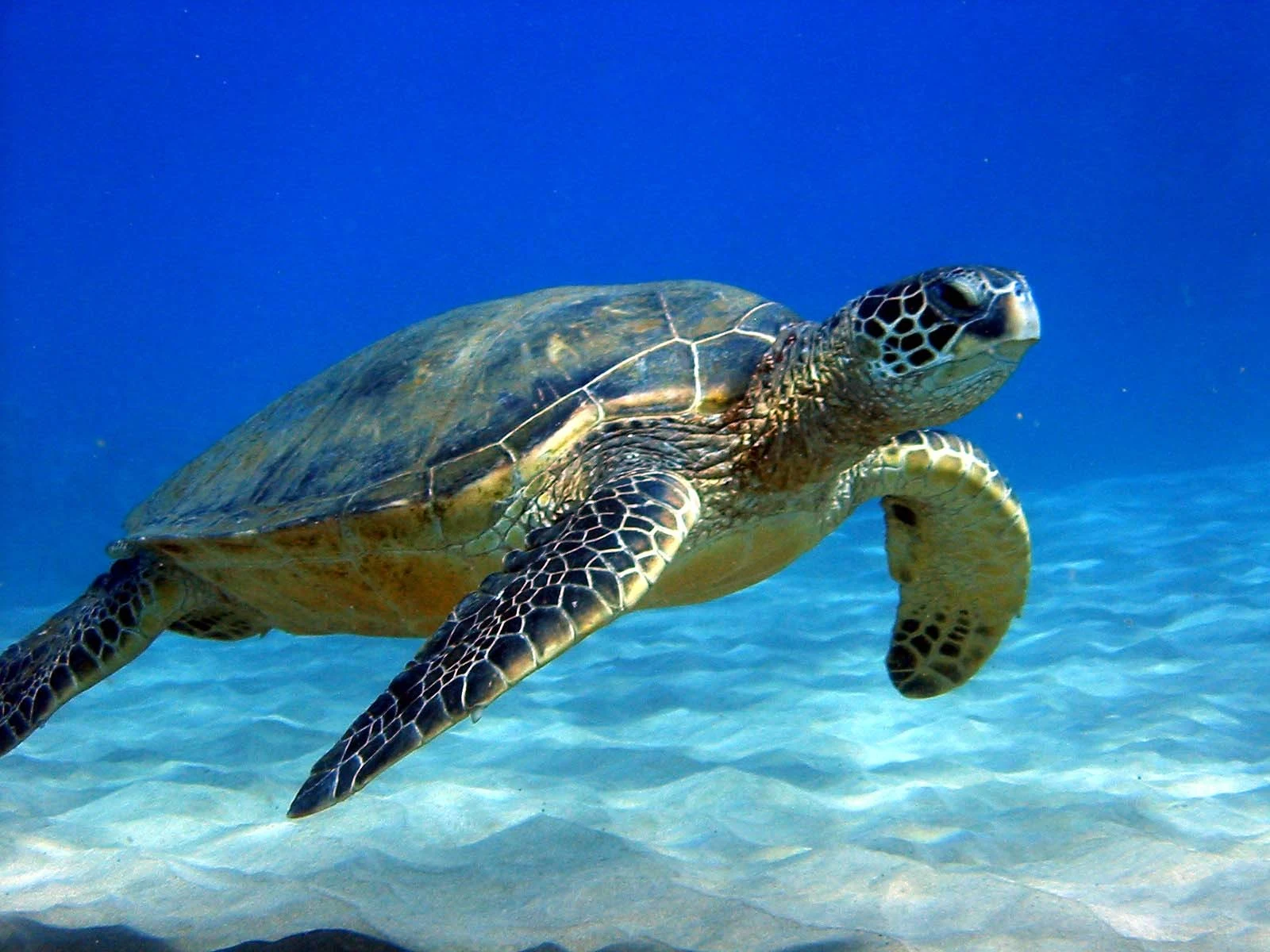
To move at turtle pace. It means to go very slowly.
Comer como un oso
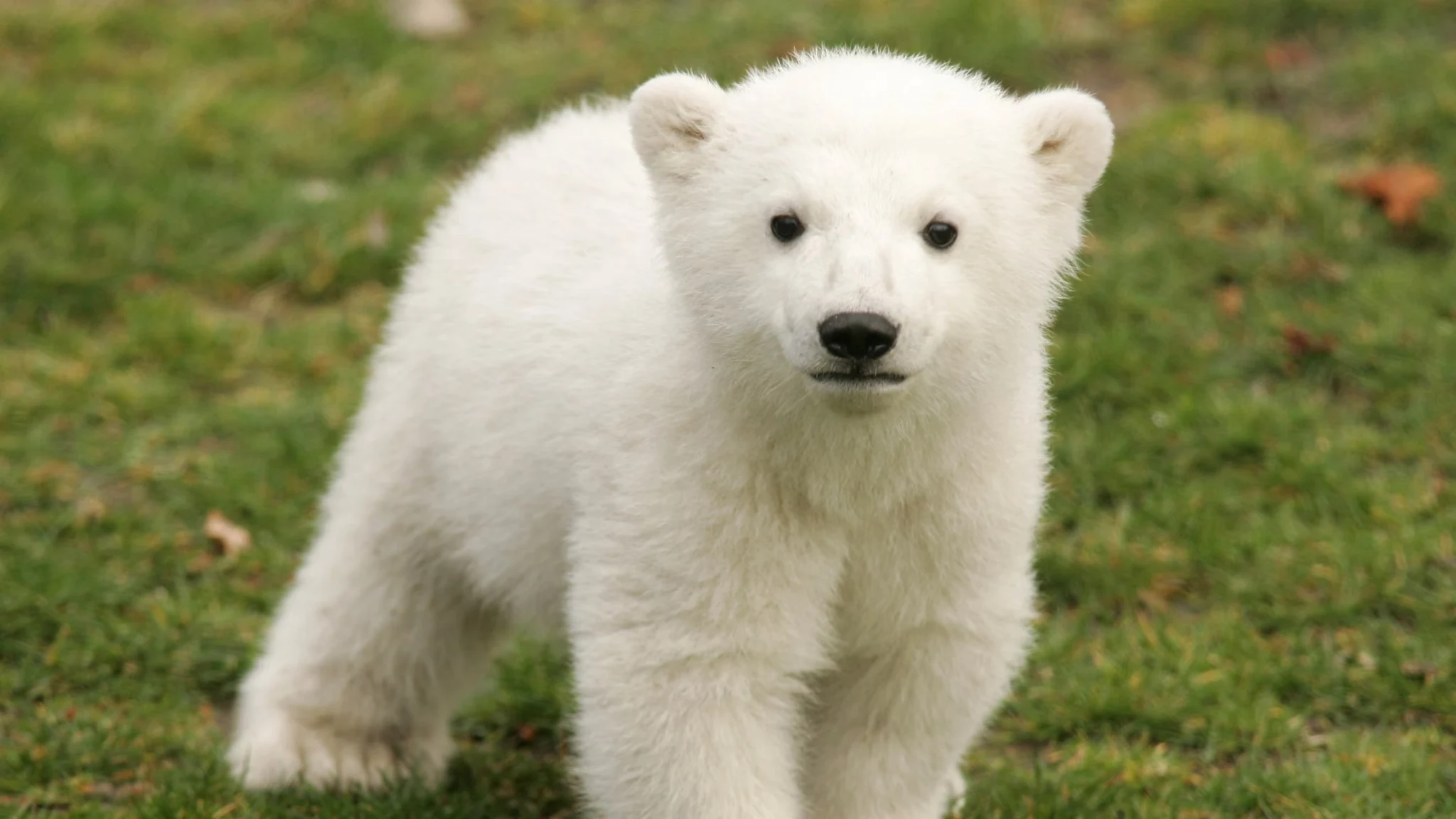
To eat like a bear. It describes someone with a very big appetite.
How should I remember new Spanish vocabulary?
Learn words in short phrases, say them aloud and review them across several days instead of memorising once.
Should beginners learn Spanish words or full phrases?
Full phrases are usually more useful because they show how words behave in real sentences.